Manage risk
Cut chargebacks without cutting sales
Automated risk scoring with rules tuned to your business: challenge the risky transactions, let your real customers sail through.
How disputes get handled

Prevent
Risk rules tuned to your sector and card mix, 3DS2 where it earns its friction, and monitoring that spots dispute patterns early.

Fight
Representment support with evidence that the card schemes actually accept: delivery proof, customer history, and authentication data.

Recover
Keep your chargeback ratio inside scheme thresholds and your account in good standing. The cheapest chargeback is the one that never happens.
Most disputes are not fraud. They are friendly fraud.
Friendly fraud is a chargeback raised against a transaction the cardholder actually made. Occasionally it’s deliberate: keep the goods, get the refund, and leave the merchant to cover the cost. But the vast majority of cases come down to simple confusion, whether it’s an unfamiliar name on the statement, a card used by a partner, or a forgotten subscription taken out months earlier.
That’s why the most effective and cheapest defence isn’t a fraud tool at all. It’s a billing descriptor customers recognise, a receipt that reaches them before the statement does, and a renewal reminder sent ahead of the payment. A dispute that’s never raised is one you’ve already won.


For the disputes that get raised anyway, friendly fraud is the most winnable category there is, because proof that the customer genuinely made the purchase almost always exists somewhere in your systems. The catch is that it looks identical to real fraud until someone pulls that evidence together and presents it to the issuer.
The reason code behind the chargeback decides what wins
Every chargeback arrives with a code from the card scheme explaining why it was filed: fraud, goods not received, not as described, duplicate processing, cancelled recurring payment. Merchants often treat this code as little more than a filing reference, but it’s closer to the rules of the match.
The code determines what evidence the issuer will accept and how long you have to submit it. A thorough, well-argued response built on the wrong evidence for that code loses just as surely as no response at all, and it still costs you the representment fee.
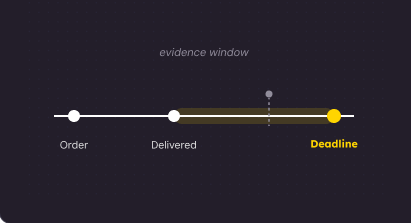
Goods not received
Delivery confirmation, tracking, and proof that the address matches the one on the order. This is the strongest case of the three to build, and the easiest to lose simply by not keeping records long enough.
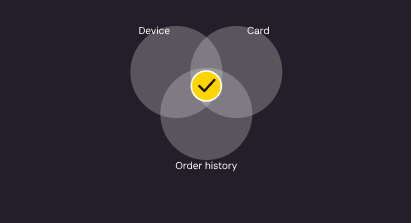
Fraud
Authentication data, and the customer’s order history with you: previous undisputed orders on the same card, the same device, the same address. A pattern across earlier orders carries more weight here than anything about the disputed one on its own.
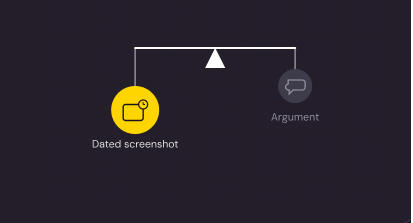
Not as described
The listing as it stood, the terms accepted at checkout, and the communication trail. An argument counts for far less here than a dated screenshot.
Deadlines and monitoring thresholds vary by scheme, programme, and code, so our specialists work to the ones that apply to your account, not a number from a blog post.
Related reading: chargebacks & the MATCH list, explained · why card payments get declined · declined or terminated elsewhere?
Frequently asked questions
A chargeback is a card payment reversed by the cardholder’s bank after a dispute: fraud, goods not received, or “I don’t recognise this”. Each one costs you the sale, a fee, and a mark against your chargeback ratio.
Also known as chargeback fraud, a chargeback filed against a transaction the cardholder genuinely made. Sometimes it’s deliberate; a way of keeping both the goods and the money. More often, it’s honest confusion: they didn’t recognise the name on the statement, or a partner or child used the card. This is the most common type of dispute merchants face, and also the most winnable, because proof that the customer really did make the purchase usually exists somewhere. The catch is that it looks identical to real fraud until someone actually checks.
Every chargeback arrives with a code from the card scheme saying why it was raised: fraud, goods not received, not as described, duplicate processing, and so on. The code is not admin. It decides which evidence will be accepted and how long you have to submit it, so a well-argued response built on the wrong evidence for the code still loses. Reading the code first is most of the job.
Card schemes monitor the ratio of chargebacks to transactions. Sustained high ratios trigger monitoring programmes, penalty fees, and in the worst case, account termination and a MATCH listing, which makes getting a new merchant account much harder. The thresholds differ by scheme and programme, and our specialists tell you where yours actually sits rather than quoting you an unsubstantiated number.
Automated risk scoring with rules tuned to your business (velocity checks, 3DS2 where it helps, early-warning dispute alerts), so genuinely risky transactions are challenged and legitimate customers sail through.
By answering the specific code with the specific evidence it accepts, inside its deadline. For goods not received, that’s delivery and tracking. For fraud, it’s authentication data and the customer’s order history with you. For not as described, it’s the listing, the terms they accepted, and the communication trail. Our representment support assembles that file for you and will be upfront when a dispute isn’t winnable, because the fee for losing twice is worse than conceding once.
No, but it needs handling honestly. Read our MATCH list guide, then talk to us: listings have a reason and a duration, and the right path depends on both.
Check if we can help
Tell us what you need. You’ll deal with one team, with the group’s licensed institutions behind it, and get a straight answer either way.